
Agent Kim Reactivated Episode 1 Pocha Scene: What Koreans Feel Behind It
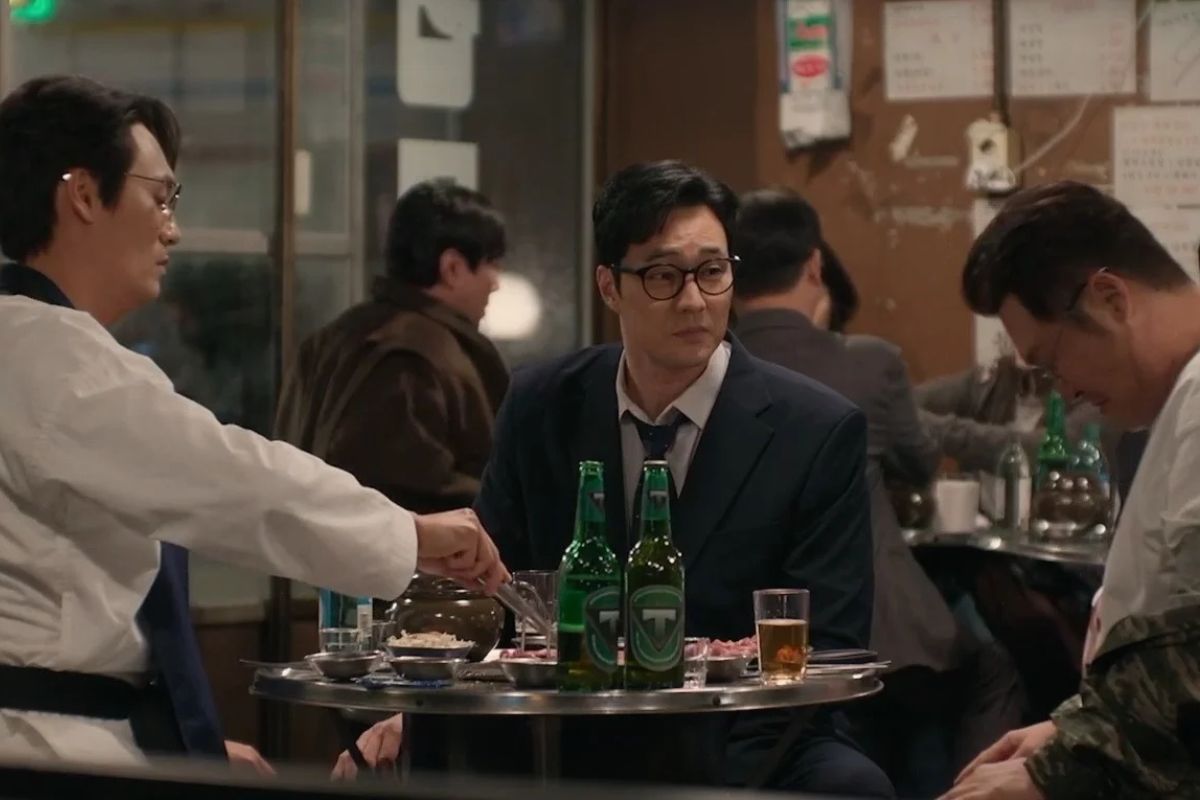
In Episode 1 of the drama Agent Kim Reactivated, three characters sit in an indoor pocha, grill pork belly, and pour soju for each other. There are no flashy visuals, just a sizzling grill and the clink of small glasses. Yet Korean viewers instantly feel, “I know that exact mood.” The scene captures something deeply Korean about how people relax, open up, and comfort one another. Let’s look at the setting, the Korean indoor pocha, and the food at its center, samgyeopsal.
Where to Watch Agent Kim Reactivated
What Is a Korean Indoor Pocha?
A pocha is short for pojangmacha, the covered street stalls that serve food and drinks late into the night. An indoor pocha (silnae pocha) brings that street-stall spirit inside a building.
The look is deliberately humble: bare, slightly worn walls, round metal tables, and low plastic stools. This unpolished style is part of the charm. Nobody is dressed up or putting on a show. People sit close, drink soju, and unwind after a long day.
Compared with a real street stall, an indoor pocha is far more comfortable. It has heating and air conditioning, accepts credit cards, and offers clean restrooms. You get the nostalgia without the cold wind or the cash-only hassle.
What to Order at an Indoor Pocha
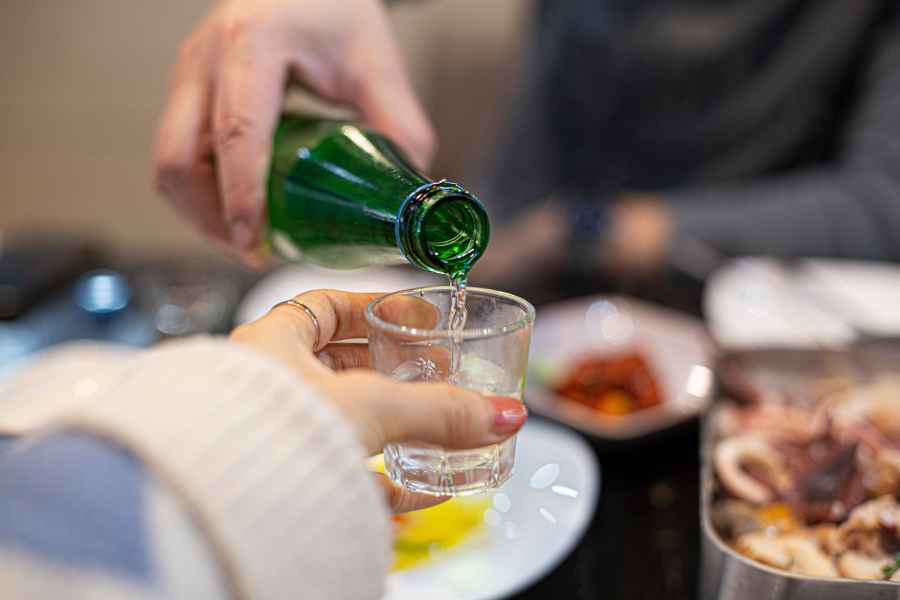
The menu is built around dishes that go well with soju. Popular choices include:
- Grilled dishes: samgyeopsal (pork belly), spicy chicken feet (dakbal), grilled hagfish (kkomjangeo), and chewy pork cartilage (odolppyeo)
- Soups and noodles: udon and fish cake soup (eomuk-tang)
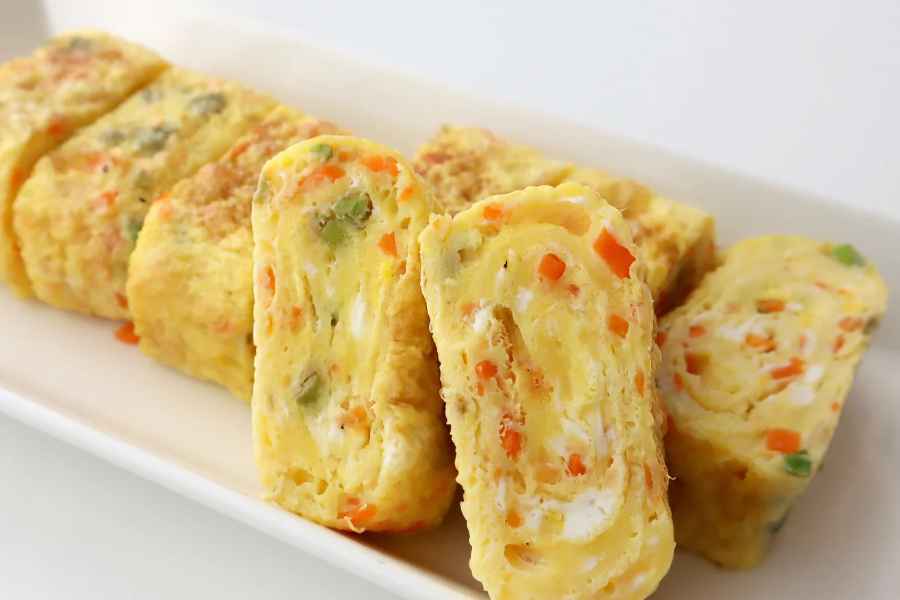
- Stir-fries and egg dishes: spicy mixed seafood stir-fry (haemul-mogeum bokkeum) and rolled omelet (gyeran-mari)
The idea is to order several dishes and share them. Spicy, smoky, savory, and mild flavors all pair naturally with a cold glass of soju.
How Did Pocha Move Indoors?
Street pojangmacha are widely said to have spread after Korea’s liberation in 1945. Cheap, friendly, and open late, they became a kind of living room for ordinary workers.
As cities modernized, crackdowns on street vendors and concerns about hygiene made stalls harder to operate. Many moved into buildings and settled into permanent restaurants known as indoor pochas. Today they are less a replacement for the street stall than a dining concept that celebrates its memory.
Why Do Koreans Love Samgyeopsal So Much?
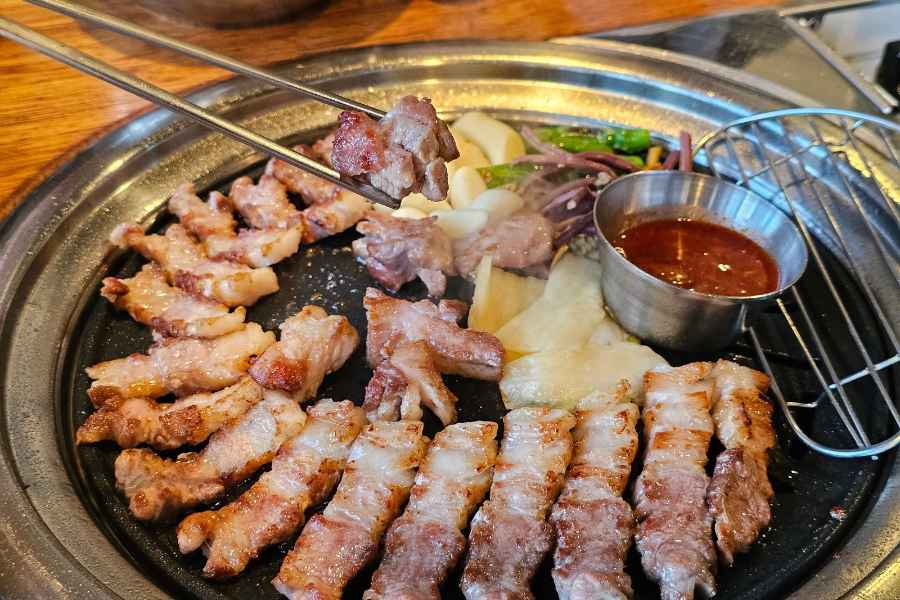
Samgyeopsal is pork belly, cut from the layered fat and meat along the pig’s underside and grilled right at your table. It regularly ranks near the top in surveys of Koreans’ favorite foods, which is why many call it a national comfort food.
A few things explain its popularity:
1. The wrap culture. You place a grilled slice on a lettuce or perilla leaf, add garlic, ssamjang (seasoned bean paste), spring onion salad, or kimchi, and eat it in one bite. The fresh, sharp flavors balance the richness of the pork.
2. Cooking and sharing together. Everyone gathers around one grill, and someone is always flipping meat or placing the best piece on your plate. The cooking itself becomes part of the conversation, which is why samgyeopsal is a staple of group dinners.
3. The soju pairing. Soju’s clean, slightly bitter taste cuts through the fat. March 3 (3/3) is even nicknamed “Samgyeopsal Day” because the Korean words for “three” and the meat’s name sound alike.
What the Drama Scene Is Really Saying
In Korean dramas, a pocha scene is rarely just about eating. It is where characters admit their worries, share secrets, or finally say what they could not say at the office. A few rounds of soju can erase the awkward distance between boss and subordinate, or between coworkers.
That is exactly why the Episode 1 scene in Agent Kim Reactivated works. Across a smoky grill, the characters say what they cannot say in the workplace and refill one another’s glasses in silent comfort. When Koreans say “Let’s have a drink,” the message is often, “You had a hard day. I’m here to listen.” Many office workers in Korea have lived this moment, which makes it feel so real.
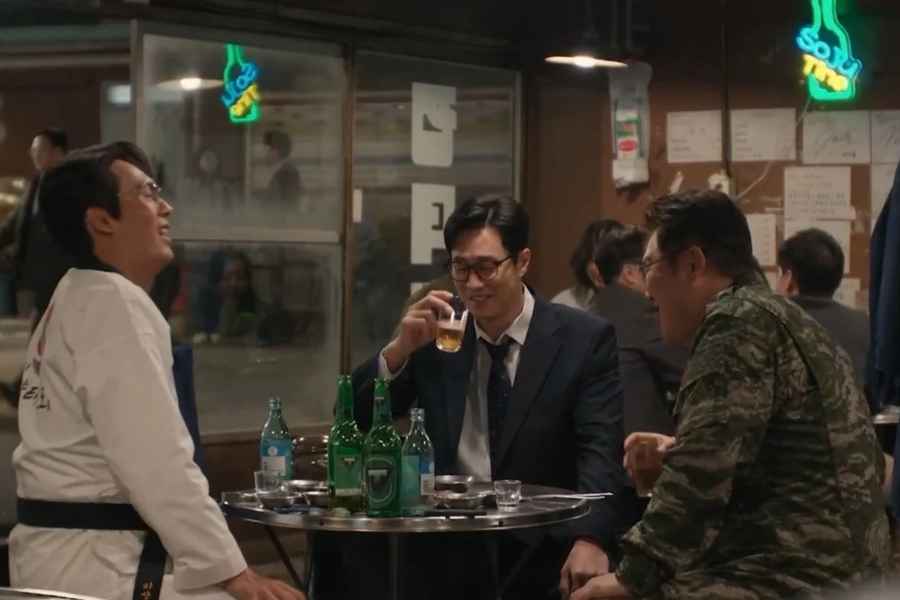
Filming location for the drama Agent Kim (Pojangmacha scene)
: Mapo Salt-Grilled Meat (마포소금구이)
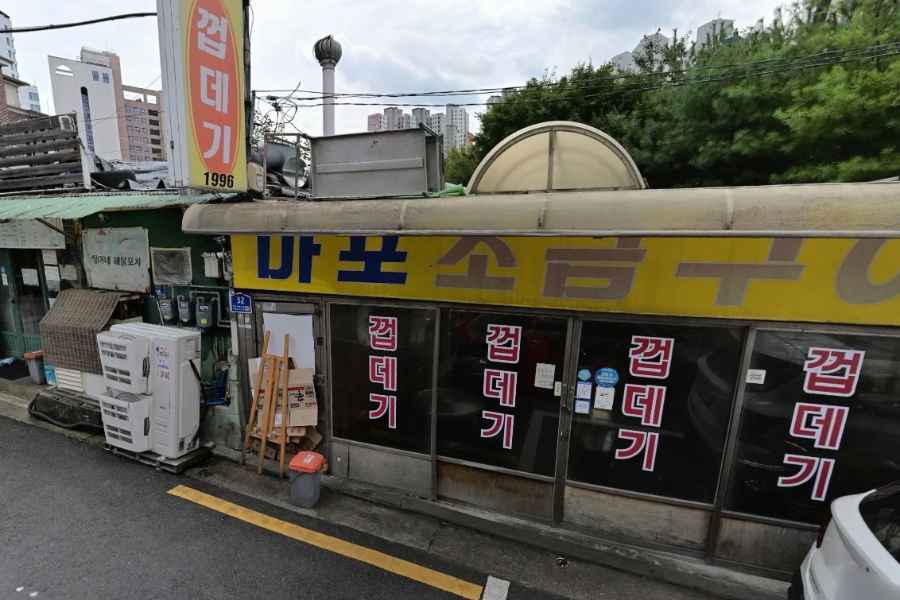
36, Wausan-ro 32-gil, Mapo-gu, Seoul (Hongik Univ. Station, Exit 6)
K-Pocha Goes Global
With the spread of the Korean Wave, the pocha experience has traveled abroad. Reports describe Korean-style pochas in major Japanese cities drawing lines of customers, while K-pocha venues in places such as New York and Canada have become popular with young locals. Paris and other European cities have also seen Korean pocha concepts attract attention as a fresh dining experience.
Many overseas fans say they want to recreate what they have seen on screen: soju, shared dishes, and that relaxed “after-work” feeling. The pocha has become a way to experience Korean emotion, not just Korean food.
Tips for Visiting an Indoor Pocha in Korea
- Order to share. Dishes are made for groups, so pick two or three and taste them together.
- Follow soju etiquette. Fill others’ glasses before your own, and use both hands when receiving a pour. When drinking with someone older, it is polite to turn your head slightly to the side.
- Not a drinker? Many pochas also serve beer and soft drinks, and you can simply enjoy the food.
- Go early. Evenings after 7 PM and weekends fill up fast.
Final Thoughts
The indoor pocha blends the warmth of old street stalls with modern comfort. The conversations that happen over sizzling pork belly and little glasses of soju are, in a way, how Koreans comfort each other. If the scene in Episode 1 of Agent Kim Reactivated made you curious, add an indoor pocha to your next Korea itinerary and experience the mood for yourself.




 This product uses the TMDB API but is not endorsed or certified by