
Understanding Retro Tropes and Youth Vibe in Modern K-Dramas
If you have ever found yourself falling in love with modern Korean dramas, you might have noticed a fascinating trend: even when stories are set in the present or recent past, they are heavily infused with a warm, nostalgic, “retro” atmosphere.
From cassette tapes and landline phone calls to crowded neighborhood comic book rental shops, K-dramas excel at weaving historical nostalgia into modern youth stories. But for international fans watching with subtitles, some of these cultural codes can feel mysterious.
Why do Korean youth dramas love the 1990s and early 2000s so much? And what do those retro tropes actually mean in the context of Korean culture? Let’s dive into the fascinating world of retro elements in K-dramas and uncover the nostalgic secrets behind your favorite shows!
Table of Contents
1. Why Modern K-Dramas Love the Retro & Youth Aesthetics
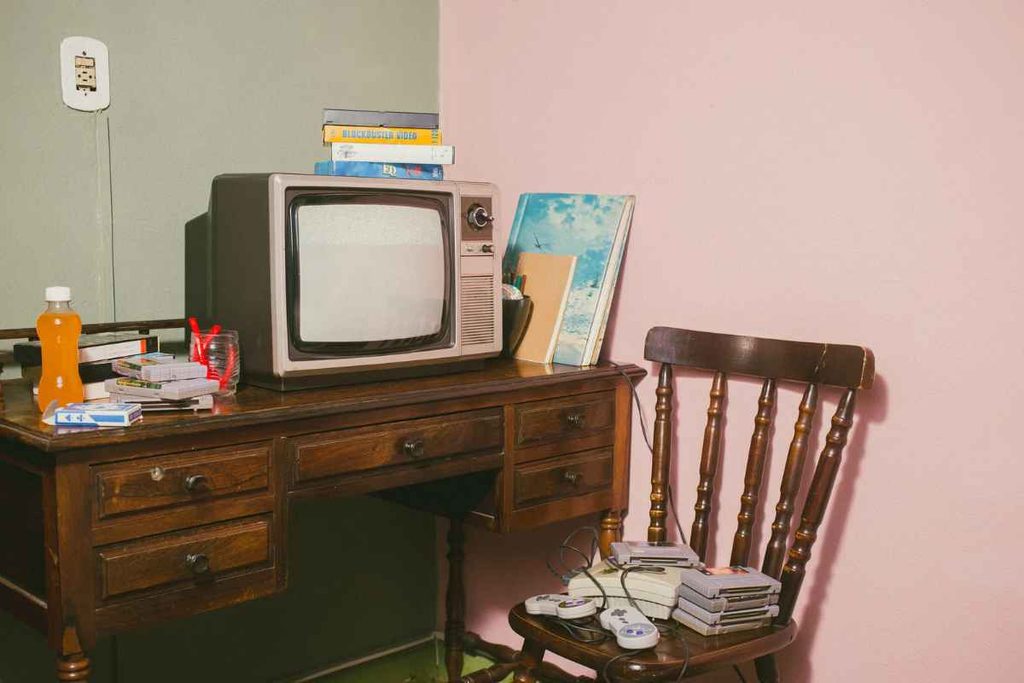
In Korean pop culture, the late 1990s and early 2000s represent a uniquely emotional era. It was a time of rapid technological transformation, shifting from analog warmth to digital speed.
For the older generation, this era evokes fond memories of their youth. For Gen Z viewers, it offers a “retro-cool” aesthetic (often called Newtro in Korea—a portmanteau of “New” and “Retro”). Dramas like Twenty-Five Twenty-One, Lovely Runner, and Reply 1998 tap into this universal sentiment: the bittersweet beauty of growing up, chasing dreams, and experiencing first love before smartphones took over our lives.
2. Key Retro Tropes & Cultural Codes Explained
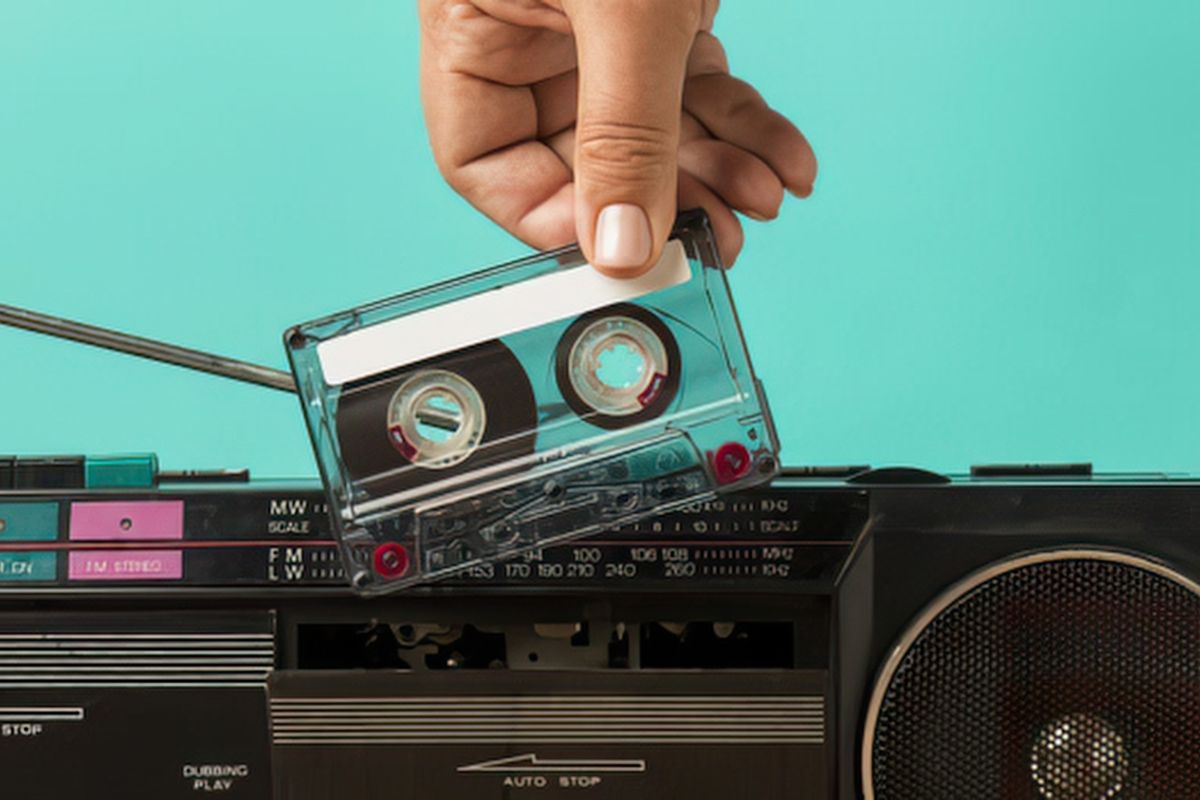
📼 The Cassette Player & Mixtape: The Language of Unspoken Feelings
In modern romances, a quick instant message can resolve a misunderstanding in seconds. But in retro K-dramas, emotions move at the speed of a cassette tape.
- The Cultural Context: In 1990s Korea, gifting a custom cassette tape recorded from the radio—or curating a list of favorite songs—was the ultimate confession of love. Listening to music on a portable cassette player (like a Walkman or Korea’s famous MyMy) represented a private world where young people could escape their academic pressure.
- Drama Example: In Twenty-Five Twenty-One, Na Hee-do (Kim Tae-ri) listens to recorded radio broadcasts and cassette tapes in her bedroom. When Baek Yi-jin (Nam Joo-hyuk) leaves a recorded voice message for her, the physical act of rewinding and playing the tape adds layers of longing and intimacy that a modern text message simply cannot replicate. Similarly, in Lovely Runner and 20th Century Girl, audio tapes serve as emotional time capsules connecting characters across time.
📟 The Beeper (Pager) & Public Phone Booths: The Anxiety of Waiting
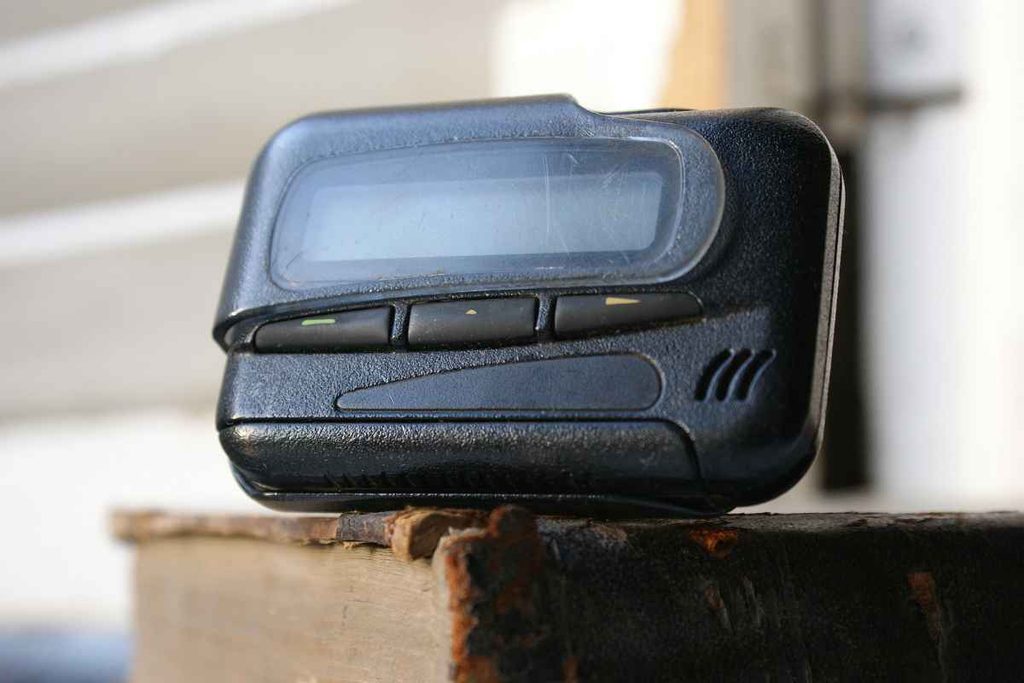
Before kakaoTalk or smartphones, Korean youth communicated using pagers (called Bip-bip-i or Pippi in Korea) and green public telephone booths.
- The Cultural Context: Pagers could only display numbers. This led to a unique Korean pager number-code culture! For example, typing
1004meant “Angel” (Cheonsa),486meant “I love you” (based on the number of strokes in the Korean characters 사-랑-해), and7942meant “Close friends” (Chingu-sai). Young people would line up in front of public phone booths in the rain just to check their pager messages. - Drama Example: In youth dramas set in the late ’90s, you will often see characters frantically searching their pockets for 100-won coins to use a public payphone. The physical wait—standing in the cold, praying that the other person answers—builds dramatic tension and emphasizes the depth of their devotion.
📚 The Neighborhood Comic Rental Shop (Manhwabang): The Ultimate Youth Hideout
Before webtoons were read on smartphone screens, Korean teenagers spent their afternoons at local comic book rental shops (Manhwabang).
- The Cultural Context: A Manhwabang wasn’t just a store; it was a sanctuary. For a few hundred won, students could rent physical comic books (Manhwa), eat instant cup ramen, and hide from strict parents and teachers. It was a space where friendships were forged and secret crushes flourished.
- Drama Example: In Twenty-Five Twenty-One, the comic rental shop is the central hub of Hee-do and Yi-jin’s relationship. Hee-do’s desperation to rent the latest volume of her favorite comic book, Full House, leads to hilarious bickering and touching bonding moments with Yi-jin, who works there part-time. The comic shop represents an era of tangible, shared pop-culture passions.
📻 Radio Call-In Shows & Late-Night Confessions
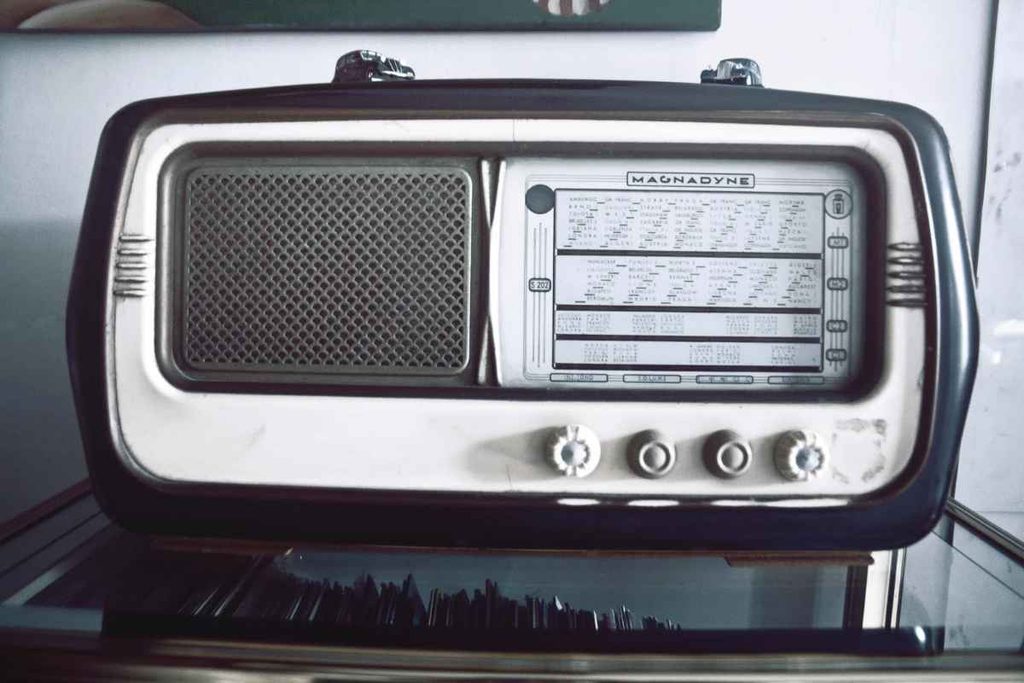
In the ’80s and ’90s, late-night radio shows were the heartbeat of Korean youth culture.
- The Cultural Context: Shows like Starry Night (Byeol-i Binnaneun Bame) were listened to by millions of students studying late into the night. Viewers would write postcard letters detailing their heartbreak, dreams, or secret crushes, hoping the DJ would read their letter on air and play their requested song.
- Drama Example: When characters in retro dramas want to convey feelings they are too shy to say face-to-face, they submit a story to a radio station. Hearing one’s personal story broadcast across the country while staring at the night sky remains one of the most romantic tropes in Korean storytelling.
3. How to Enjoy Retro K-Dramas Like a Pro
When watching modern K-dramas with retro elements, keep an eye out for these subtle details:
- The Fashion Shifts: Look for oversized denim jackets, colorful hair scrunchies, wide-leg trousers, and retro sports sneakers.
- The Period References: Notice references to historical events—such as the 1998 IMF Asian Financial Crisis in Twenty-Five Twenty-One or the 2002 World Cup enthusiasm—which shape the characters’ financial and emotional struggles.
- The Soundtrack (OST): Pay attention to the music! Retro dramas often feature remakes of iconic 90s Korean indie or pop songs, blending nostalgic melodies with modern vocalists.
Final Thoughts
Retro elements in K-dramas are more than just background aesthetics—they are emotional tools that highlight the purity, patience, and passion of youth. In our fast-paced digital world, these dramas remind global viewers of a time when waiting for someone took effort, and love was expressed through tangible, heartfelt gestures.
The next time you spot a cassette tape or a public phone booth in a K-drama, you’ll know you’re watching a tribute to the timeless charm of Korean youth culture!
📌 Related Guides on WatchKorean
- [Lovely Runner Filming Locations & Time-Travel Tropes Explained]
- [Understanding Korean Honorifics & Friendship Dynamics in Youth Dramas]

 This product uses the TMDB API but is not endorsed or certified by