
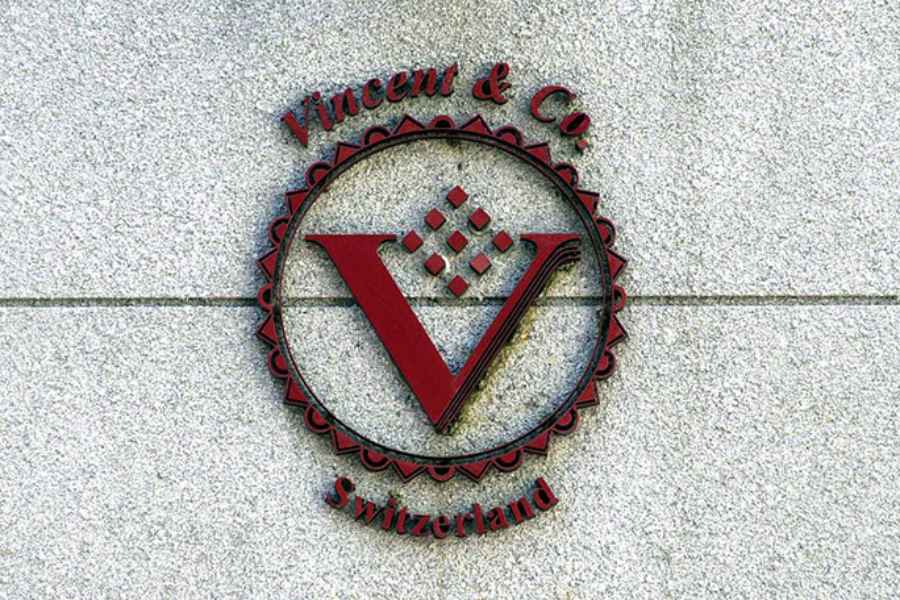
The Real Story Behind Lady Dua: Korea’s 2006 “Vincent & Co” Scandal
If you’ve watched Netflix’s Lady Dua, you may have wondered: could a fake luxury brand really fool the rich and powerful this easily?
In Korea, something very similar actually happened. In 2006, a case known as “Vincent & Co” shocked the country.
One thing to know first
Lady Dua opens with a notice that its characters, organizations, events, and brands are entirely fictional. The producers have not officially said the drama is based on the Vincent & Co case. But the two stories are so similar that many viewers and media outlets immediately thought of it, and the case has been talked about again since the drama came out.
What was the Vincent & Co case?
1. It had a glamorous fake backstory.
The brand was marketed as a Swiss luxury watch sold exclusively to European royalty for 100 years. Royal names and famous figures were used to build its image.
2. The watches were actually made elsewhere.
According to the court’s findings, parts were brought in from Hong Kong, China, and other places, then assembled in Korea. Press reports pointed to the city of Siheung, near Seoul, which is why the nickname “Made in Siheung” appeared.
3. It was dressed up as an imported luxury item.
Reportedly, the watches were sent to Switzerland and brought back in, so they would carry import paperwork.
4. It was sold at sky-high prices in Cheongdam-dong.
Cheongdam-dong is an upscale Seoul neighborhood known for luxury boutiques and wealthy shoppers. The most expensive watch sold for 97.5 million won (roughly US$100,000 at the time). The brand’s “only 1% of the elite can own one” image helped justify the price.
5. Celebrities were among the victims.
That’s a big reason the story became headline news. Many victims were reportedly reluctant to speak publicly, partly because of embarrassment.

The red flags were there
The showroom was reportedly tucked in a quiet side street rather than on a luxury shopping row, and its walls were nearly bare, with just one poster on display. Shopkeepers nearby reportedly heard rumors that the brand was fake, even seeing staff wear the pricey watches casually when heading home.
That’s why the case still gets discussed today. People weren’t fooled because there were no clues. The belief that “if people like this buy it, it must be real” covered up their doubts.
Lady Dua vs. the real case
| Vincent & Co (real case) | Lady Dua (fiction) | |
|---|---|---|
| Product | Watches | A fashion brand, “Boodua” |
| Image | European royal supplier, 100-year history | Luxury brand tied to European royalty |
| Setting | Cheongdam-dong showroom | High-society networks and department stores |
| Victims | Wealthy buyers, celebrities | High-society figures |
| Outcome | Exposed and collapsed after investigation | The brand survives in the drama (spoiler) |
One Korean critic noted that a story like Lady Dua’s might have been possible only 20 years ago, but argued that what makes it convincing is the desires of the people around the main character.
Why this story fascinates people
Both stories ask the same question:
Who makes a fake thing real?
A lie alone isn’t enough. It needs people who want to believe, people eager to show off status, and people who buy because everyone else does. In both the case and the drama, the real subject is not luxury itself but the longing to be part of it.
Next time you watch
When Lady Dua’s brand leans on “royalty” and “exclusivity,” think of that small showroom on a quiet Cheongdam-dong street 20 years ago. The shinier the story, the more it’s worth asking questions.
Has a fake luxury scandal ever happened in your country?





 This product uses the TMDB API but is not endorsed or certified by