

Why Does Korea Use Both Hangul and Hanja? The Letter Scene in My Royal Nemesis Episode 4
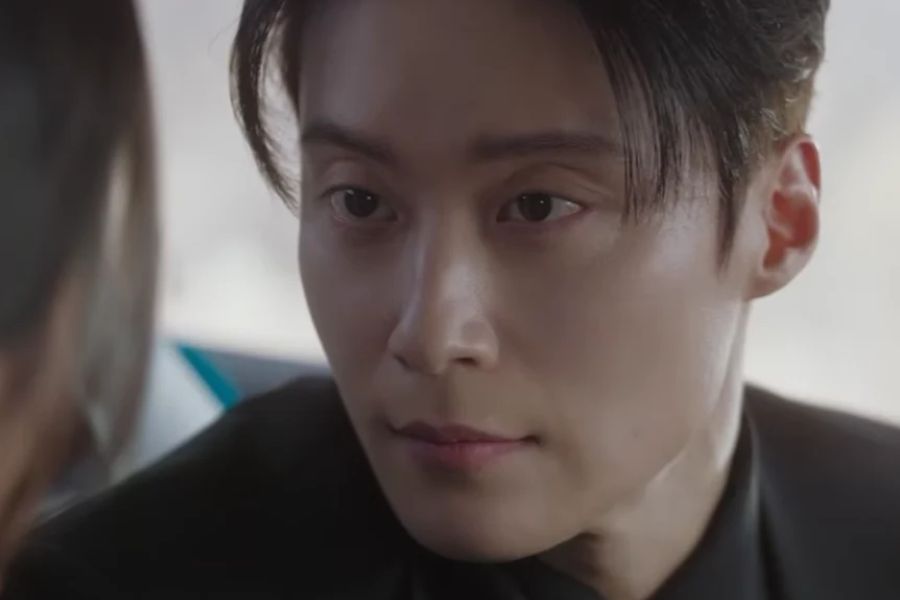
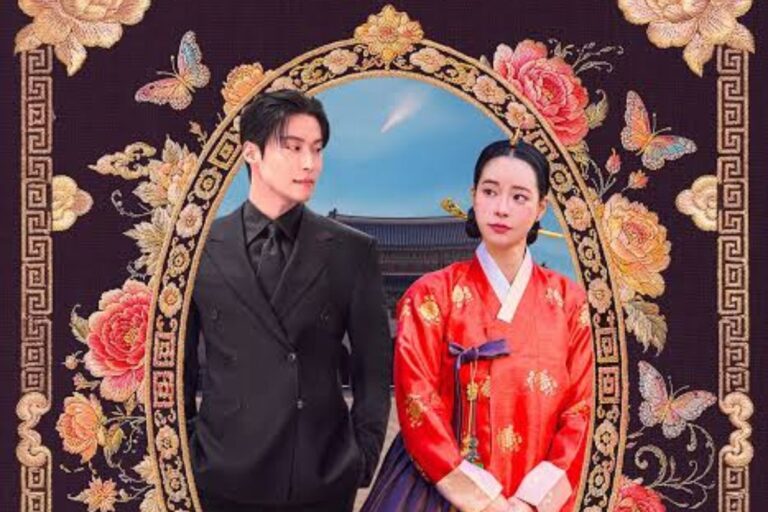
In Episode 4 of My Royal Nemesis, the heroine Shin Seo-ri sends the hero Cha Se-gye a letter with a poem written in classical Chinese characters. Cha Se-gye reads it character by character and gets flustered and giddy all by himself. The scene is funny and sweet, and it became one of the episode’s most talked-about moments.
Viewers abroad may have wondered: “Korea has its own alphabet, so why write a letter in Chinese characters?” and “Aren’t those characters Chinese?” Let’s answer both questions through the story of how Korea came to use two writing systems side by side.
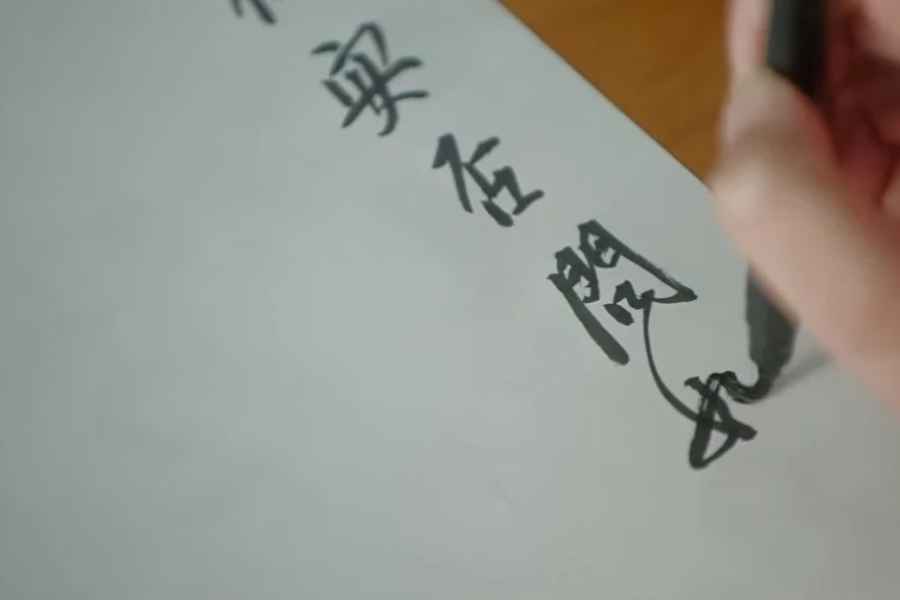
Before Hangul: The Age of Classical Chinese
For a very long time, Koreans recorded their history using Chinese characters. From the Three Kingdoms period onward, classical Chinese (hanmun) was the official script for politics, law, scholarship, and literature. People even called it jinseo (眞書), meaning “true writing.”
The problem was that speech and writing were completely different. People spoke Korean but had to write in what was essentially a foreign language. Learning thousands of characters took years, so most commoners never had the chance to become literate. Skill in classical Chinese was a sign of knowledge and social status.
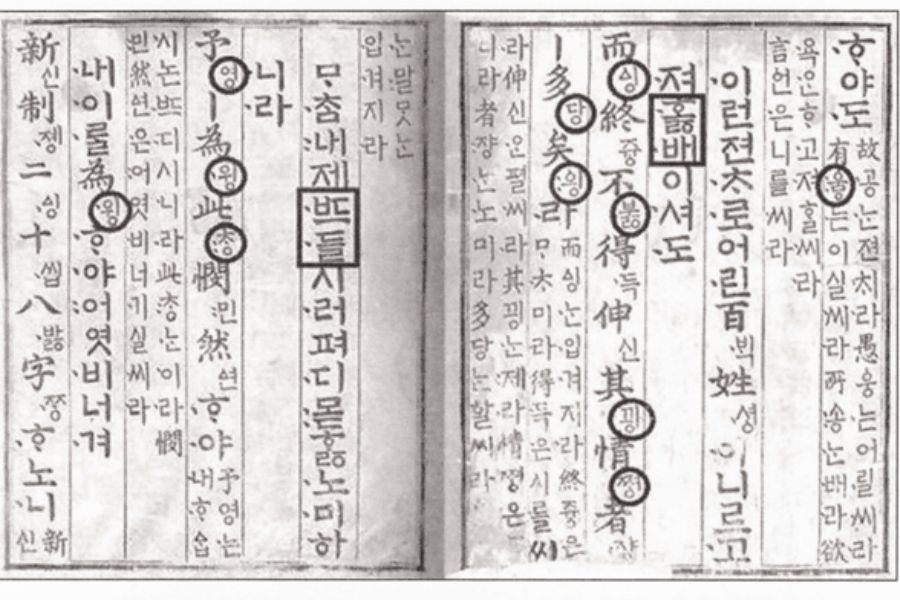
1443: King Sejong Created a New Hangul
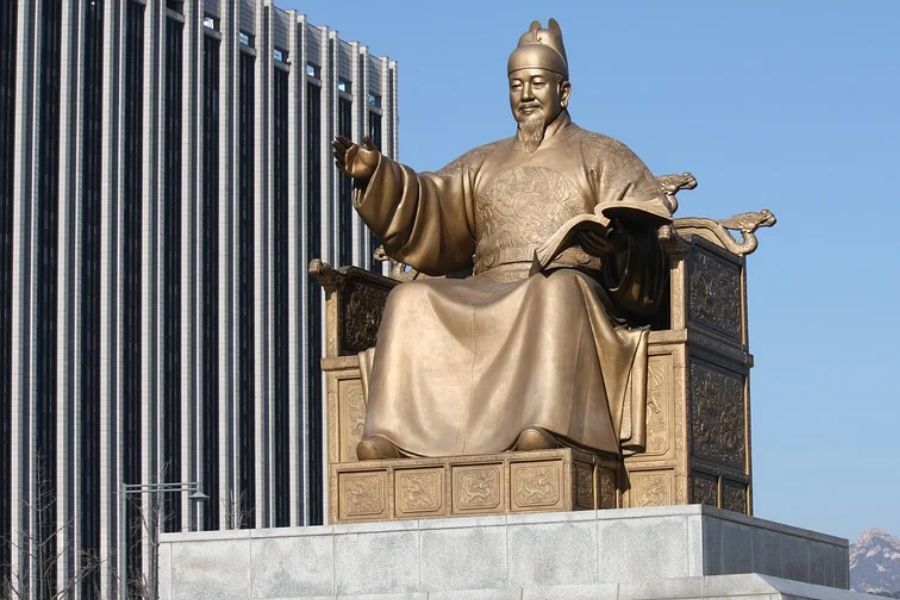
In 1443, King Sejong of the Joseon dynasty created a new script, and in 1446 it was announced to the public under the name Hunminjeongeum (訓民正音), meaning “the correct sounds for the instruction of the people.”
Hangul is one of the rare writing systems whose creator, date, and purpose are all clearly known. The consonants imitate the shapes of the mouth and tongue when making each sound. The vowels are built from symbols for heaven (•), earth (ㅡ), and human (ㅣ).
Because the letters were designed to make sound visible, many people say you can learn to read it in just a few days. In 1997, the original explanatory text, the Hunminjeongeum Haerye, was added to UNESCO’s Memory of the World Register, and UNESCO awards a King Sejong Literacy Prize to those who fight illiteracy.
Why Chinese Characters Didn’t Disappear
Hangul did not replace Chinese characters overnight. Joseon’s scholar-officials kept writing official documents, scholarship, and poetry in classical Chinese. Hangul spread first through women’s letters, popular novels, and songs, and some elites even looked down on it. It only became the country’s official script after the 1894 Gabo Reforms.
Vocabulary was another reason the two scripts lived together. A large share of Korean words, especially in academic, legal, administrative, and abstract terms, come from Chinese characters. These are called Sino-Korean words.
Since Hangul writes only sounds, words that sound the same but mean different things can be hard to tell apart. For example, sagi can mean 史記 (a historical record), 詐欺 (fraud), or 士氣 (morale). To avoid confusion, writers put the characters in parentheses or mixed them into Hangul text, a style known as gukhanmun honyong, which stayed common for a long time.
And Today?
Today, writing in Hangul only is the standard. A Hangul-only law was passed in 1948, and in the 1960s and 70s the government pushed the policy hard, so Chinese characters rapidly disappeared from official documents, newspapers, and everyday writing. They never vanished from school, though. Middle and high school students still study classical Chinese and a set of 1,800 basic characters.
Chinese characters, called Hanja in Korean, still show up in daily life:
- Newspaper headlines: To save space, single characters stand in for words, such as 與 (ruling party), 野 (opposition party), 韓 (Korea), and 美 (United States).
- Names: Most Korean names are based on the meanings of Hanja, and some people still write their names in characters on seals and documents.
- Four-character idioms and calligraphy: Idioms called sajaseongeo are still widely used, and calligraphy works and plaques often use Hanja.
- Signs: Traditional medicine clinics and old-style tea houses sometimes use Hanja on their signs for a classic look.
Where to Watch My Royal Nemesis
Why the Scene Is Even Funnier
With this background, the Episode 4 scene takes on a new flavor. Writing a poem in classical Chinese and sending it as a letter is something almost nobody does in modern Korea. It brings back the way old scholars exchanged messages, which makes it romantic. It is also funny because the receiver has to work through the characters one by one to figure out what is being said. Most Koreans today can’t read classical poetry smoothly, so Cha Se-gye’s struggle feels very real. In an age of smartphone messages, a handwritten Hanja letter is a special kind of confession all on its own.
Fun Facts for International Readers
1. Hangul Day is every October 9. It is a national holiday celebrating the creation of the alphabet. If you are in Korea around that date, you will see Hangul-themed events across the country.
2. Hangul has 24 basic letters. Fourteen consonants and ten vowels can be combined to write almost any sound, which makes it a great starting point for learning Korean.
3. Korean is not a dialect of Chinese. Korean and Chinese have completely different grammar. Hanja are characters Korean borrowed from its neighbor and adapted to Korean sounds and usage.
Final Thoughts
The story of Hangul and Hanja is one of a script made for the people meeting an ancient script of scholarship, and the two shaping each other over centuries. The poem letter in My Royal Nemesis quietly folds that long history into a sweet, funny moment. Next time you watch the scene, think about the feeling hidden in every single character.



 This product uses the TMDB API but is not endorsed or certified by