
Drama Our Sticky Love. What Is Yeot? How Korea’s Traditional Sweet Differs from Candy
In the drama Ireon Yeotgateun Sarang, the main character’s family makes yeot (엿) the traditional way.
If you’re not Korean, you might wonder: “Isn’t that just candy?” Not quite. Yeot carries stories that ordinary candy doesn’t.
Where to Watch Our Sticky Love
What is yeot?
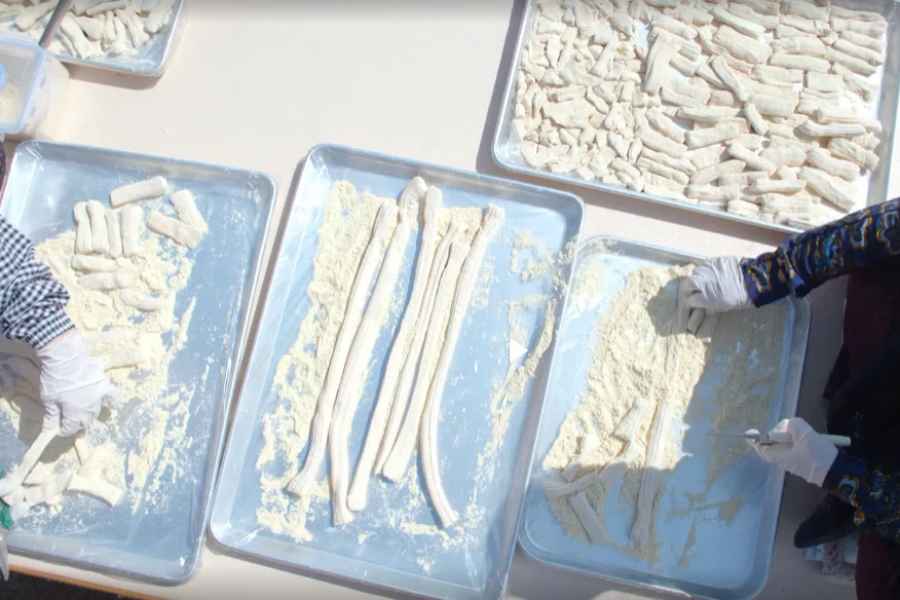
Yeot is a traditional Korean sweet made by breaking down the starch in grains or vegetables with malt (yeotgireum), then simmering it down. It is said to have been made for a very long time, and it was used not only as a snack but also as a gift and as a traditional remedy.
Yeot vs. candy: what’s the difference?
| Korean yeot | Western candy | |
|---|---|---|
| Main ingredients | Grains and starchy foods like rice, sweet potato, corn | Sugar, corn syrup, etc. |
| Source of sweetness | Natural sweetness from grain, released by malt | Refined sugar |
| How it’s made | Long process of boiling and simmering | Sugar melted, boiled, and set |
| Texture | Chewy and sticky, or hard and crisp when broken | Hard, soft, or chewy, depending on type |
| Cultural role | Gifts, rituals, traditional medicine, games | Mostly a snack |
In short, candy is sweetness from melted sugar, while yeot is sweetness drawn out of grain. That’s why yeot tastes deeper and more toasty.
Many kinds of yeot
| Type | Notes |
|---|---|
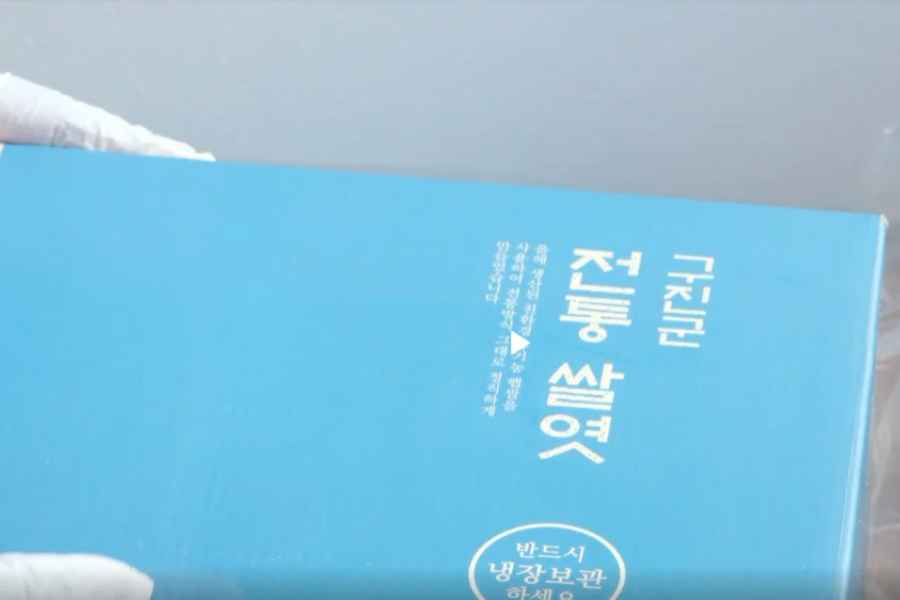
| Rice yeot (쌀엿) | Made with malt-fermented rice. Said to be the sweetest and tastiest. |
| Sweet potato yeot (고구마엿) | Made from boiled, mashed sweet potatoes. |
| Radish yeot (무엿) | A syrup-like yeot made by simmering julienned radish. |
| Corn yeot | Made from corn. Some regions have local specialties, such as Hwanggol-yeot. |
| Pheasant or chicken yeot (꿩엿, 닭엿) | Said to have been used as a tonic on Jeju Island. |
| Medicinal yeot (약엿) | Made with sesame, walnut, and ginger as a restorative for weak or ill people. |
In Korea, yeot is a good-luck gift
Koreans give yeot to people about to take an important exam. The reason is a pun: yeot is sticky, and the Korean verb for “to stick” (butda, 붙다) is also used for “to pass” an exam. So “may you stick to the exam” means “may you pass.”
It’s a fun example of how wordplay shapes tradition.
But be careful: “yeot meogeora”
Yeot is a sweet gift, but the phrase “yeot meogeora” (엿 먹어라), literally “eat yeot,” is a rude insult. The adjective “yeot-gat-da” (엿 같다) is also vulgar slang meaning something is awful or very unpleasant.
That’s why the title Ireon Yeotgateun Sarang works on two levels: a sweet yeot and a frustrating situation. [Add how the drama plays with this double meaning.] Foreigners should be careful before using these phrases, since Korean listeners may be shocked.

The yeot seller tradition
In the past, a traveling yeot seller (yeotjangsu, 엿장수) walked through neighborhoods clanking big scissors to announce his arrival. People could trade empty bottles or scrap metal for yeot. There was also a game of breaking pieces off a yeot slab, making yeot part of play culture too.
Next time you watch
When you see yeot being made in Ireon Yeotgateun Sarang, you’ll know it’s more than a snack. It’s traditional Korean food culture where sweetness comes from grain, where a pun carries wishes for exam success, and where one word can be both sweet and rude.
Is there a traditional good-luck gift for exams in your country?






 This product uses the TMDB API but is not endorsed or certified by