

Redefining the Heroine: How Modern K-Dramas Revolutionized the Korean Youth Female Lead
1. From the Traditional ‘Candy’ to Independent Youth
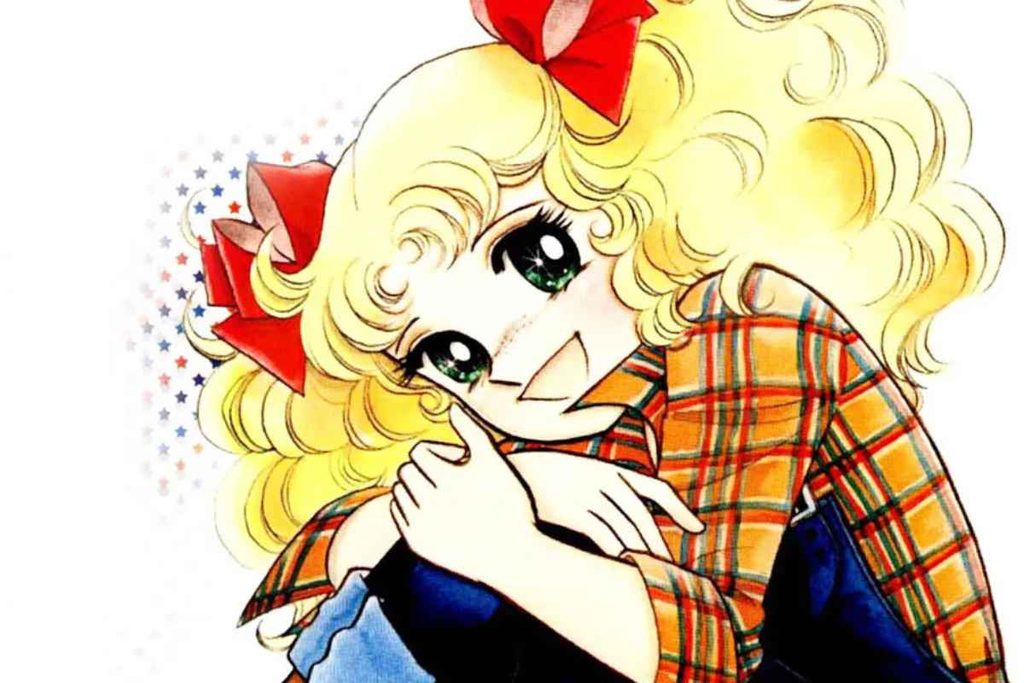
When you think of female leads in classic Korean dramas, what image comes to mind? For a long time, the K-drama formula was dominated by the so-called “Candy” character—a plucky young woman who endures hardship with tears in her eyes while waiting for her “white knight” (the wealthy male lead) to save her. These characters were often passive, fragile, and in constant need of protection.
However, over the past few years, the K-drama ecosystem has evolved dramatically. The female leads in modern youth dramas that international fans adore are no longer dependent on male intervention. They set their own career goals, fight back against unjust realities, and carve out their own paths as dimensional, independent-minded youth. The dynamic between male and female leads has similarly shifted from a vertical rescue dynamic into equal partnership and fierce solidarity.
2. Why Global Youths Fall in Love with These Heroines
Why do international viewers resonate so deeply with this shift? Because the struggles and dilemmas these characters face accurately reflect the realities of 21st-century youth around the globe.
Today’s K-drama heroines do not live exclusively in glamorous penthouse suites or achieve instant perfection. Instead, they represent everyday people navigating job market struggles, burnout in high-pressure competitive societies, emotional scars from relationships, and deep anxiety about the future—yet they refuse to give up.
- Real Drama Scene Examples:
- Na Hee-do in Twenty-Five Twenty-One (played by Kim Tae-ri): Facing the national crisis of the 1998 IMF financial crisis, her high school fencing team is abruptly disbanded. Instead of collapsing in despair, she fights hard and runs fiercely toward her dream. Rather than simply being comforted by the male lead, Baek Yi-jin, they act as mutual pillars of strength for one another, showcasing the brightest form of youth solidarity.
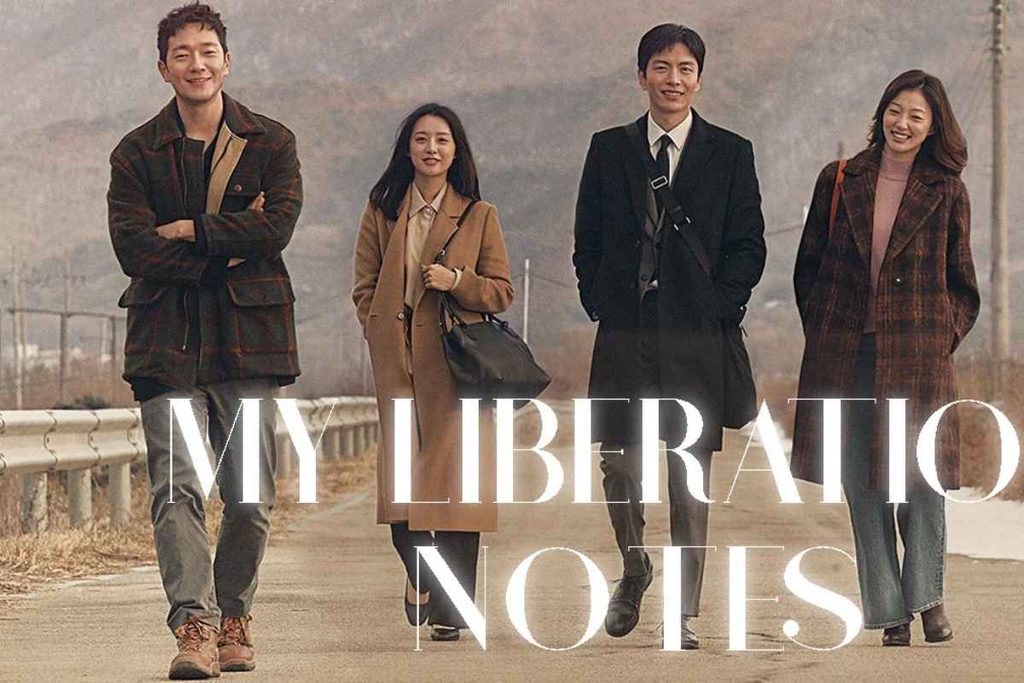
- Yeom Mi-jeong in My Liberation Notes (played by Kim지원): She is an exhausted office worker who endures a grueling daily commute from the outskirts of Gyeonggi-do to Seoul. Voicing her emotional exhaustion with lines like “My heart is unresponsive, it’s never full,” her quiet weariness deeply touched the hearts of overworked “modern corporate slaves” worldwide.
These dramas resonate deeply precisely because their characters are not flawless—they are flawed, vulnerable, and fiercely fighting to grow.
3. Glimpsing Korean Social and Cultural Contexts Through Dramas
As you follow the evolution of these characters, you naturally gain a fascinating window into contemporary Korean culture and societal shifts. Here are some key cultural touchpoints for international viewers to look out for:
- The “I Live Alone” Independent Living Culture: Unlike older traditions where young adults lived with their parents until marriage, modern K-drama youths live independently in cozy studio apartments (one-rooms or officetels). Cooking alone, winding down with a single can of beer after a long day, and curating personal sanctuary spaces reflect real-life Korean youth lifestyle trends.
- The Fierce Survival of the “Office Woman”: Depictions of women fighting for their place in corporate offices, startups, and broadcasting stations reflect the rising female participation and professional workforce trends in modern South Korea. Watching heroines speak up against workplace inequality and structural hurdles offers a genuine glimpse into changing Korean professional cultures.
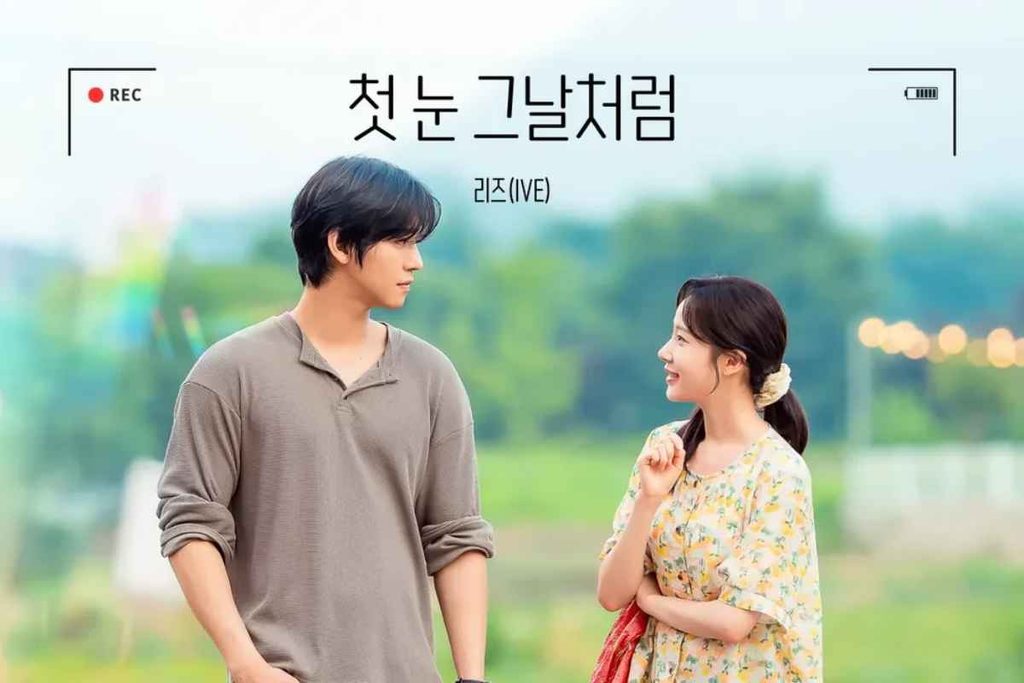
- After-Work Drinks and Soul Food Culture: Notice the scenes where an exhausted heroine drops by a humble street food tent (pocha) or a local neighborhood snack shop (bunsik-jip) to eat tteokbokki with soju, or sits under a convenience store parasol sharing instant cup ramen. In Korea, food and drinks are never just about eating—they are vital social mediums for deep communication, stress relief, and emotional bonding.
4. The True Solidarity and Comfort Offered by K-Dramas
Ultimately, the journeys of these newly defined K-drama heroines deliver a clear and empowering message: “You don’t need to measure yourself against someone else’s standards; you must find the answers to your life on your own terms.”
Rather than rushing toward a fairy-tale perfection, drama characters choose a path of healing their scars, supporting one another, and growing step-by-step. Though our languages and borders differ, their courageous steps on screen inspire international viewers to reflect on their own lives and inject fresh energy into everyday routines.
Why not grab some inspiration and comfort from these independent, magnetic K-drama youth this weekend? Who is your ultimate favorite K-drama character? Let us know in the comments below!
📌 Related Guides on WatchKorean
- [Modern Youth Dramas That Redefined K-Drama Heroines]
- [Understanding Korean Office Culture and After-Work Drinks in K-Dramas]

 This product uses the TMDB API but is not endorsed or certified by