
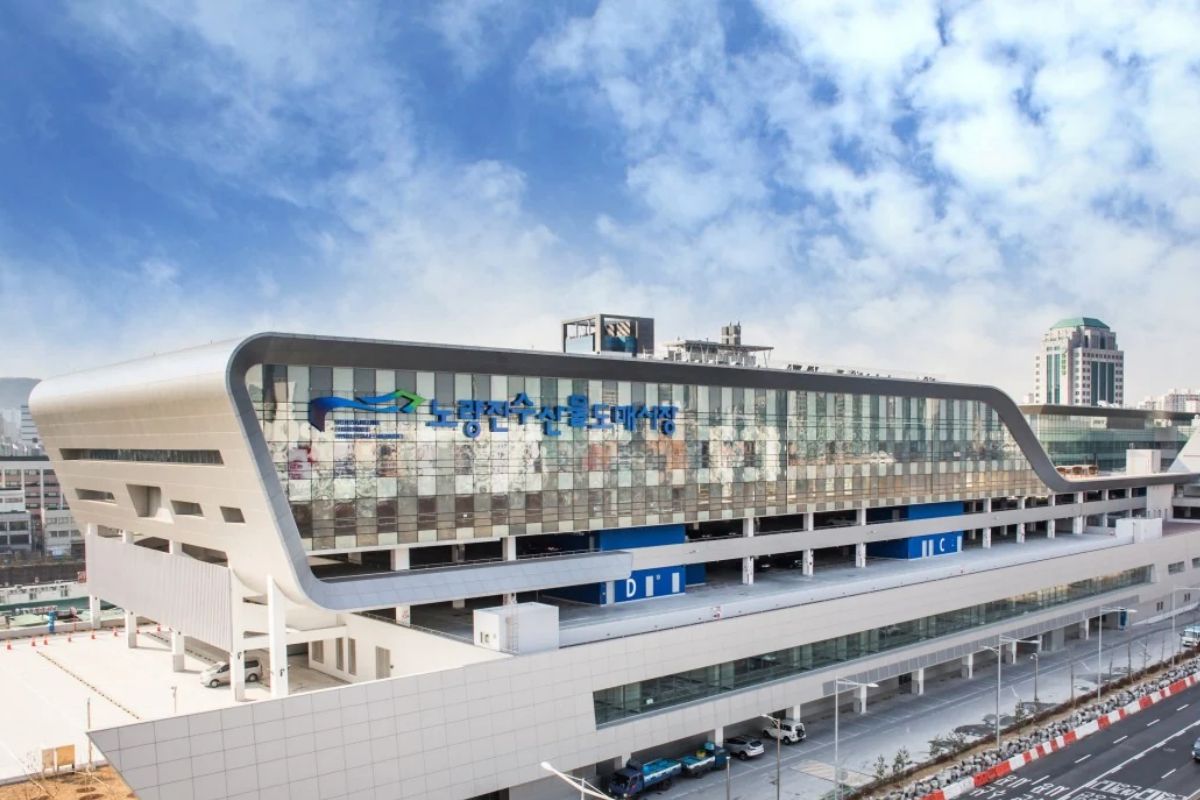
Noryangjin Fish Market: How It Works and Tips for First-Time Visitors
Have you ever seen a video of tanks full of seafood and a market buzzing with energy, and thought, “I want to try that in Seoul”? Noryangjin Fish Market is known as the place where you pick your own seafood and eat it right there, and it is on many travelers’ wish lists.
Foreign visitors do go. News reports describe a steady rise in tourists. A market official has said that more foreign visitors are coming, that some vendors even hire foreign part-time staff, and that the market sometimes appears on tour itineraries. At one point, the local district office also placed English, Chinese and Japanese tourist interpreters at the market.
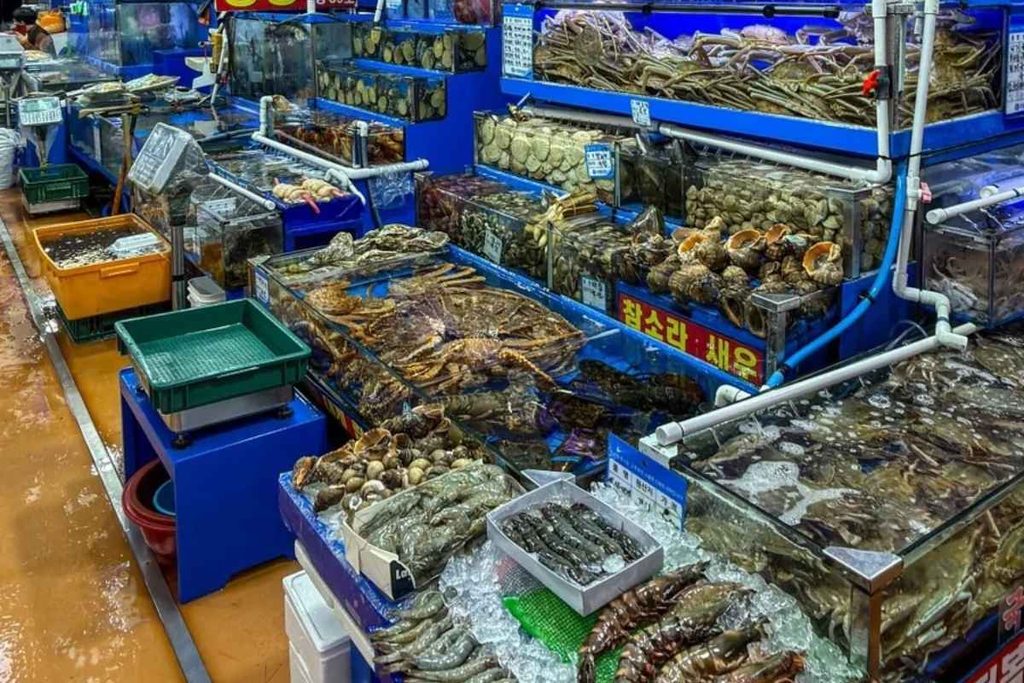
It can be confusing the first time
A fish market is not like a restaurant where you read a menu and order. It is not obvious where to buy seafood, where to eat it or how the price is set. Vendors may not speak much English. The market also used to have a reputation for charging tourists more, so many first-timers worry about that.
So here is a step-by-step guide to how it works, with tips on prices, language and timing.
How Noryangjin Fish Market works
The basic system: buy downstairs, eat upstairs
Noryangjin is famous for a “buy first, cook after” system.
- Choose your seafood. Walk through the market, pick what you want at a vendor’s stall and agree on a price.
- Take it to a restaurant. Bring your purchase to a restaurant in the same building. Vendors often point you to one.
- Pick a cooking style. The restaurant can prepare it as sashimi, grilled, steamed or in a soup.
- Eat. You pay a table setup fee per person (which usually covers side dishes) and a cooking fee. Drinks are ordered separately.
One visitor explained that the restaurant charges per person plus a setup fee, and said the total came out cheaper than eating at a restaurant in the city. But if you buy several kinds of seafood and have them cooked in different ways, the total can be higher than a regular restaurant. Work out the total before you order.
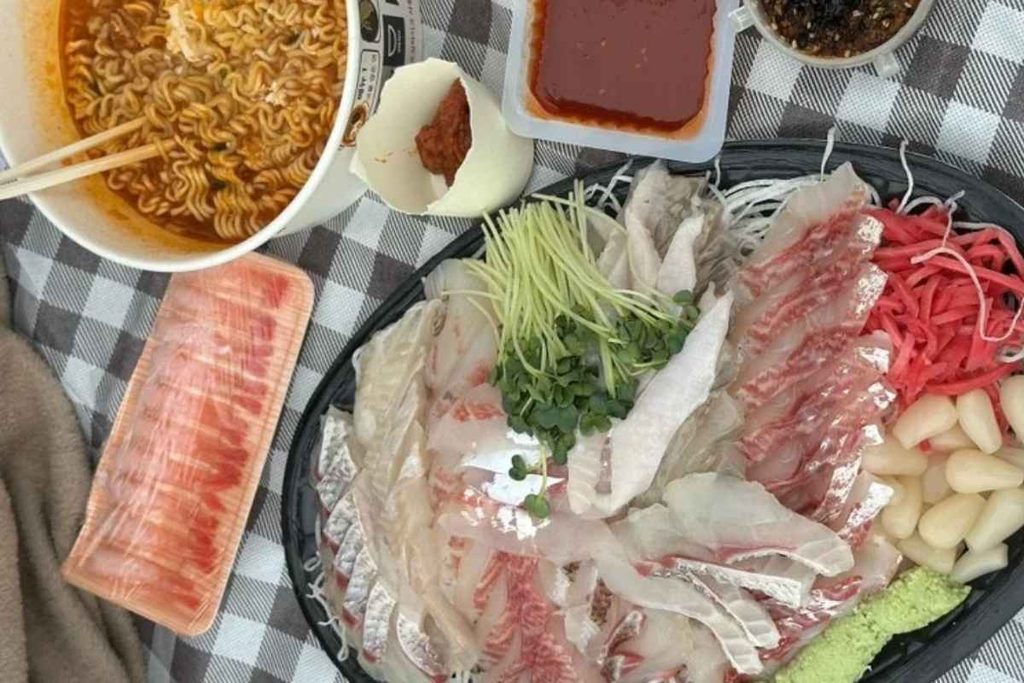
If you just want a plate of sashimi
Some shops sell assorted sashimi plates in a way that feels more like a restaurant. One Korean magazine described a shop with a kiosk where you can see the menu and price ranges without haggling. If you are a first-timer and unsure how to choose, a shop like that can be easier.
Taking seafood to go
You can also pick seafood or sashimi at the shops on the first and second floors and take it away. Ask for cold packing if you plan to eat later at your hotel or outdoors.
Price tips
- Ask the price first. Seafood prices change a lot with the season and the size. Ask for the price per kilogram and the total before you agree to buy.
- Compare a few stalls. One travel site says vendors near the main entrance tend to quote higher prices to tourists, and that prices are better further inside. Experiences vary, so look at two or three stalls before you decide.
- Add up the full cost. Check the seafood price, setup fee, cooking fee and drinks together. Knowing the total avoids surprises.
- Check for Wednesday discounts. One Korean magazine reports that on Wednesdays, the market’s “Susan Day” offers 20 to 30 percent off domestic seafood and a free setup-fee coupon for one person. Offers can change, so check before you go.
Language tips
- Vendors may speak limited English, but many use translation apps, a calculator or gestures.
- Useful Korean words: hoe (회, sashimi), ge (게, crab), bissayo (비싸요, “that’s expensive”), pojang (포장, takeout) and sikdang (식당, restaurant).
- The district office once placed tourist interpreters at the market, but I could not confirm whether the service is running now.
- Many visitors say it is easier with a local friend or a guide. If it is your first time, consider a guided tour.
Best time to visit
- Weekday evenings: Some visitors say weeknights are quieter.
- Mornings: Many guides suggest going early if you want to see the freshest catch.
- Busy days: On days with big events, such as the Seoul fireworks festival in Yeouido, the market can be very crowded, and some restaurants may not take walk-in guests.
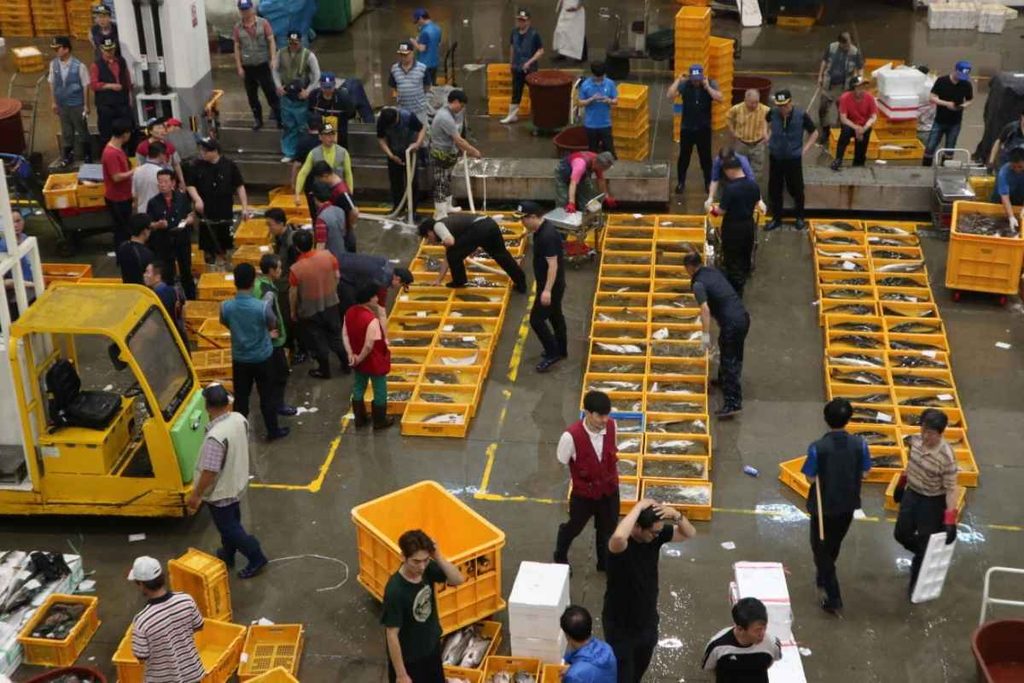
Check before you go: The Seoul city guide lists the market as open year-round, with hours varying by shop, while some English guides call it a 24-hour market. The wholesale side starts early, but retail stalls and restaurants keep their own hours, so check the shop you plan to visit.
Etiquette and safety
- Do not touch the seafood. Vendors are used to tourists, but they do not want customers handling their products.
- The floors are wet and carts move through the aisles. Wear shoes with good grip and watch your step.
- If you eat raw seafood, consider your own health and allergies. If you carry seafood away, keep it cold and eat it soon.
- Ask before taking photos of vendors or other customers.
How to get there
Address: 674 Nodeul-ro, Dongjak-gu, Seoul
- By subway: Take Line 1 or Line 9 to Noryangjin Station and follow the signs toward the market. After you leave the station, a footbridge crosses the railway tracks to the market.
- From Yeouido: You can reach it on Line 9.
- Luggage: There have been reports of plans for luggage lockers for foreign visitors, but I could not confirm whether they are available now. It is best to leave big bags at your hotel.
Final thoughts
Once you know the order of things and how prices work, Noryangjin is easy for foreign visitors to enjoy. Being able to buy, cook and eat in one place is the real charm.
Curious about the cooking world of Final Table? Check out our Final Table filming locations guide, which includes Noryangjin Fish Market.
Want to know where Final Table is streaming in your country? Search for it on WatchKorean.





 This product uses the TMDB API but is not endorsed or certified by